The skills challenge is self-inflicted – and the aftermarket is working hard to fix it
New year’s resolutions are not my thing; in fact I really dislike them. I believe there’s never a bad time to start something new, adopt a new way in life and ultimately change, so why wait?
But I totally understand the need for change and the 1st January marks the start of new chapters for many. So if you can’t beat them…. my new year’s resolution was to use more “candour” – “the quality of being open and frank with people.”
There’s been numerous times in my personal and professional life where the adoption of candour would’ve skipped a few chapters in a prolonged saga.
I adopt a principle that if you don’t like something you should change it, that we should always push ourselves to the limits of what’s possible and whenever we can, challenge everything.
This brings me to the acute problem faced in the automotive aftermarket, which is that of skills, training and recruitment and the abundant lack of people coming into the industry. In the spirt of candour, let’s address a few of the issues that blight the industry’s progression:
- The aftermarket is ill equipped at certain levels to onboard people correctly
- The sector is not great at promoting itself
- Students of the motor trade are currently looking to exit before their career has begun
- Academic careers are overtaking vocational training
- There’s a lack of focus on the trade in the school curriculum
- There’s also a lack of co-operation between government, educational institutions and the trade
- Plus many more…
The overall perception of our trade is poor, but this is changing, and we’ve come a long way. Since Covid, there has been a growing focus from garages to be business owners first and technicians second. Working on the business, not in the business, will help see more investment flowing into companies and ultimately, drive standards forward.
The first IAAF Garage Section meeting in October was a game changer. Filled with raw emotion and passion, it came with an acceptance that the problems we face in the industry are caused closer to home: By us.
There is far too much pressure on garages to solve the skills challenge, which is a collective problem felt also by motor factors and suppliers.
We’re now seeing these collective efforts played out and they are raising the bar. Nothing will ever be achieved in isolation but working together will see us change the hearts and minds of young people, as we reframe perceptions.
Let’s look at some of the many positive things we are all doing to address the skills challenge:
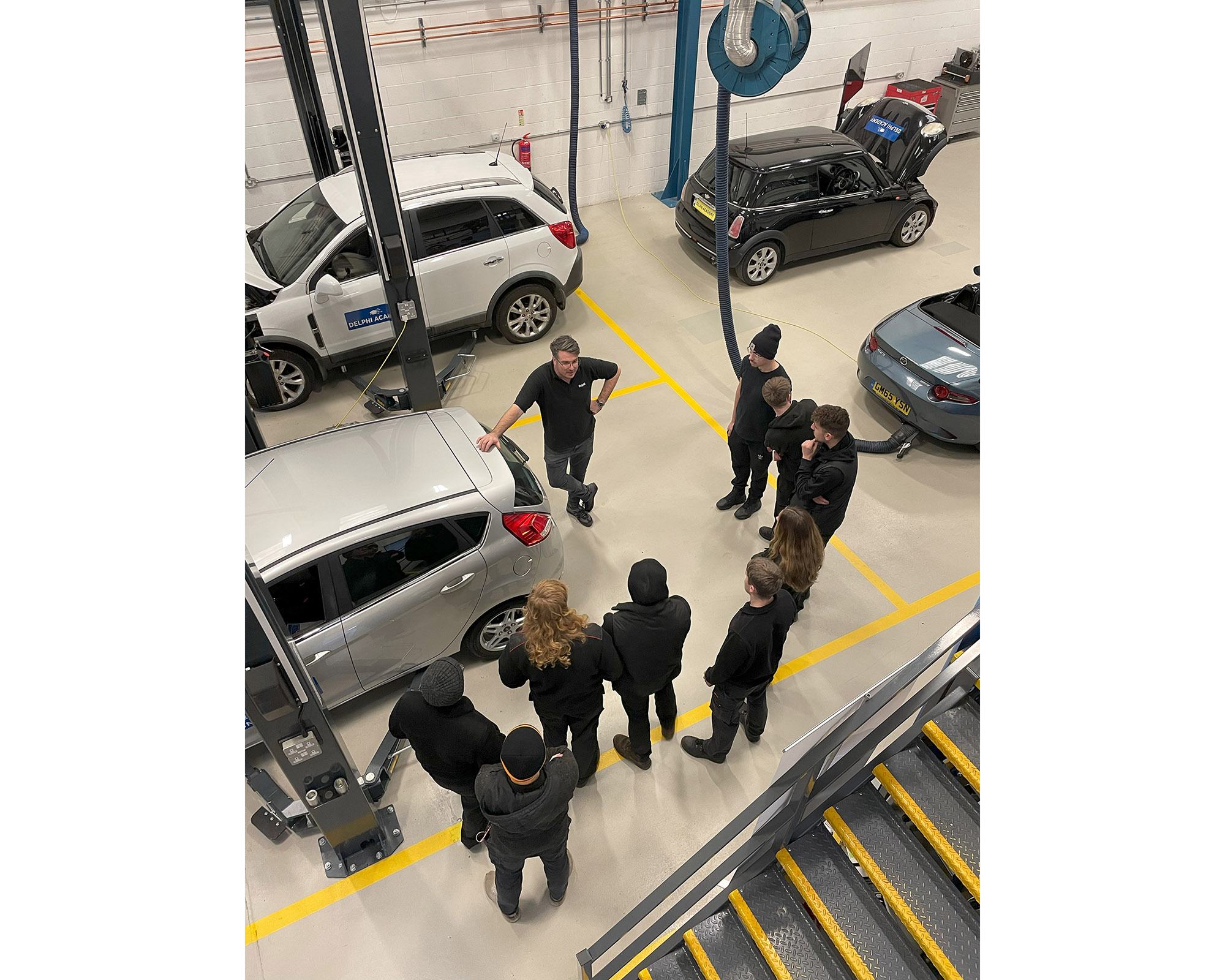
- There is more accessible high-profile training available than ever before
- The industry’s gender balance is improving
- There is a greater adoption of new skills as we meet the needs of technological advancements in the modern aftermarket
- The automotive industry is slowly being viewed more in its entirety than as a single part of the supply chain, which allows people to enjoy a varied career
- Trade events, like Automechanika Birmingham, are the ideal insight into our trade, enabling companies and associations to have greater links with schools, colleges and universities
- There are more of us that want to leave the trade in a better position than when we found it.
IAAF’s recent move into this area is designed with a sole purpose in mind: To enrich the understanding of the automotive aftermarket in the hearts and minds of all people in educational settings.
There are so many careers to be enjoyed in the motor trade, and IAAF is working with all its members to play its part in highlighting these vocations.
When you highlight the brilliance of this trade, its people and businesses that stand out. And when you explain the key role the sector plays in ensuring affordable mobility for millions of motorists, you see that we have every right to be proud of the sector, which is an industry that is bursting to break out and raise standards.
Perhaps it isn’t candour, but one of my favourite quotes is from the words of Irish playwright, George Bernard Shaw: “There are those that look at things the way they are, and ask why? I dream of things that never were, and ask why not?”





 Back to all