IAAF motor factor and supplier members have been expressing deep concern at the supply chain disruption due to the Iran US conflict in the Middle East.
Threat of global recession
The dramatic reduction in traffic in the Strait of Hormuz is actually being driven by insurance withdrawal over anything else. The conflict has effectively halted roughly 20% of global petroleum flow on the Strait and an 18 percent reduction in air freight. This is amplified with further supply disruptions through the Suez canal.
Acting quickly
Aftermarket businesses have been increasing their purchases of affected products to see them through the crisis, with many experts suggesting that those that act quickly will benefit from those that wait.
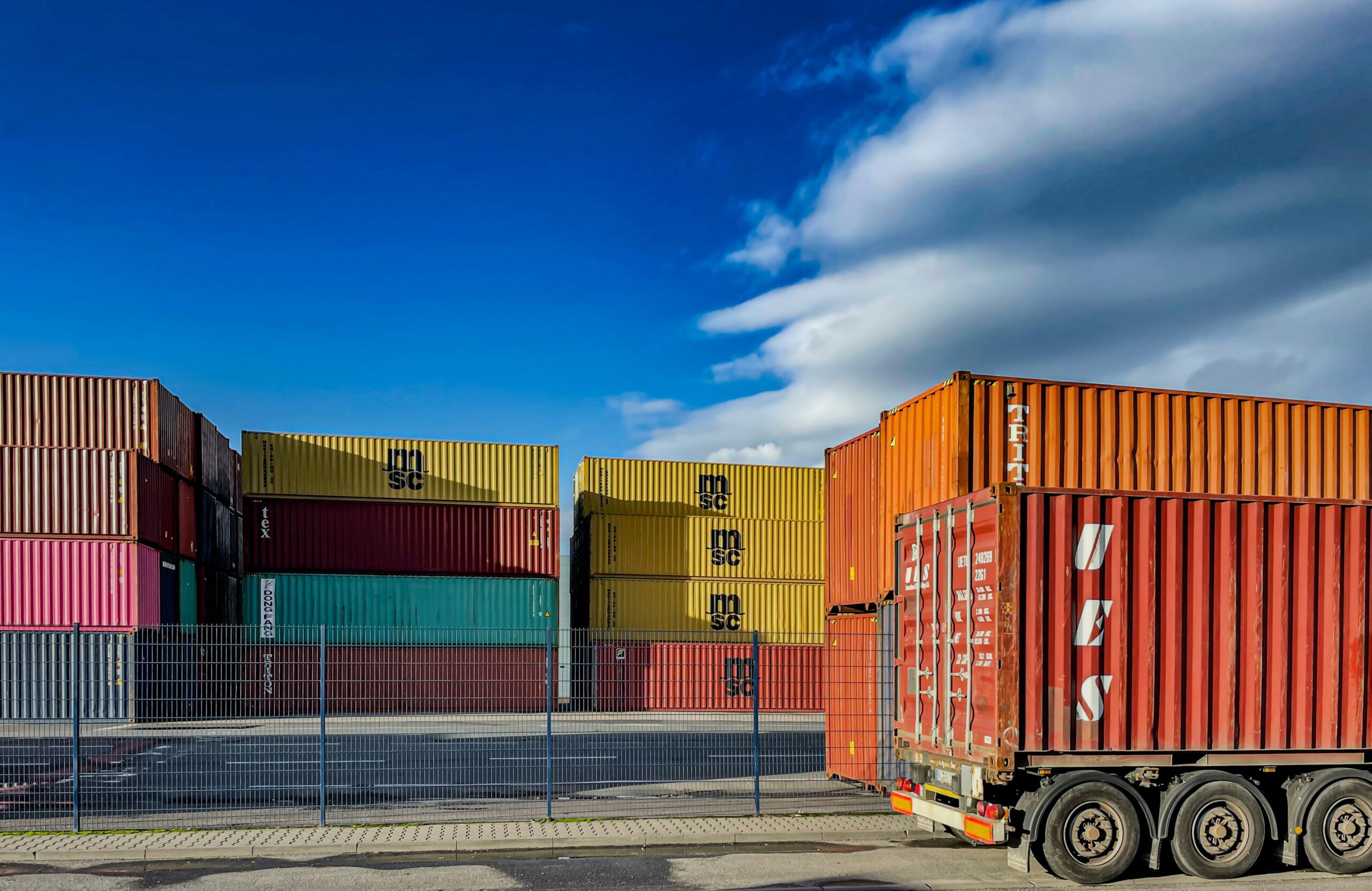
Europe–Asia shipments could take 10 to 15 days longer when rerouted around southern Africa, while shippers also face new conflict-related surcharges and higher insurance premiums.
Rising costs
That combination — extended transit times, higher bunker consumption and war-risk pricing — feeds directly into freight bills for European importers of components, machinery and consumer goods.
Factors report further R134a Air con gas price surge
R134a air conditioning gas has experienced significant, long-term price increases due to strict EU regulations aimed at phasing out high-Global Warming Potential (GWP) refrigerants.
This shortage, compounded by a reduction in legal import quotas, has resulted in prices for R134a rising substantially over the past several years, with recent figures indicating further, continued increases.





 Back to all