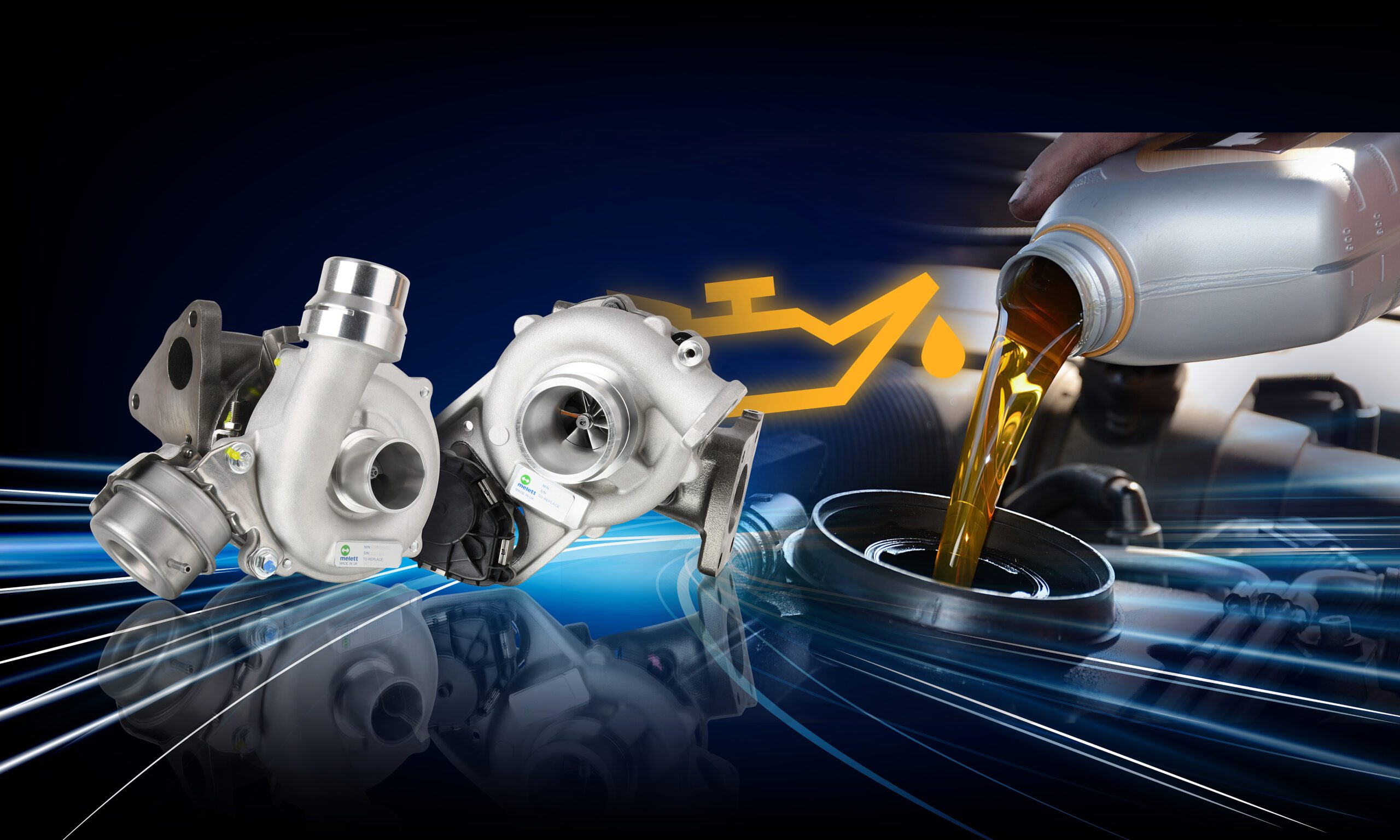
As turbocharger technology continues to evolve alongside modern engine platforms, one fundamental issue continues to account for a significant proportion of failures seen in workshops – insufficient lubrication. Melett, the trusted aftermarket brand for precision‑engineered turbochargers and components, is urging technicians not to overlook lubrication-related faults, which can cause rapid and costly damage if not identified early.
According to Melett, insufficient lubrication is still one of the most common underlying causes of turbocharger failure. The issue is rarely isolated to the turbocharger itself but instead linked to oil supply problems elsewhere in the engine system.
Causes of insufficient lubrication
Tom Wright, Group Product Manager at Melett, explains that the causes of insufficient lubrication can be missed during routine servicing. Poor oil filter maintenance, low oil levels in the sump, and the use of unsuitable oil grades all remain frequent contributors.
In addition, incorrect or damaged oil inlet gaskets that restrict oil flow, carbon build-up within oil feed pipes, worn oil pumps, and blockages from silicone-based sealants on oil gaskets can significantly compromise oil delivery to the turbocharger.
Another critical, and preventable, issue is the failure to correctly prime a replacement turbocharger before installation. “Even a few seconds of turbo operation without oil can be enough to cause irreversible damage to the bearing system,” Wright warns.
Preventing insufficient lubrication
Preventing lubrication-related turbocharger failure starts with ensuring unrestricted, clean oil flow to the unit. Melett advises technicians to thoroughly inspect and replace oil feed pipes to remove carbon deposits or sludge. Using fresh oil and new filters that meet the engine manufacturer’s specifications is essential, as is avoiding the use of silicone sealants on oil system components.
Correct operating procedures also play a vital role. Allowing the engine to warm up properly before heavy load and observing appropriate cool-down periods at the end of a journey help protect the turbocharger from insufficient lubrication and heat-related oil degradation, particularly on modern downsized and high-boost engines.
Preventing repeat issues
Before replacing a faulty turbo, garage workshops should ensure the root cause has been fully diagnosed. Although symptoms such as oil leaks, unusual turbo noise, or reduced performance can suggest lubrication issues, workshops may not always be able to identify the underlying problem – and this is where a specialist turbo repairer can provide invaluable support.
Wright explains that once a turbo is dismantled by a specialist, the signs of lubrication failure are often unmistakable. Excessive wear on thrust and journal bearings, discoloration, scoring, or material transfer on bearing surfaces all indicate that lubrication has been compromised.
He stresses the importance of pinpointing the cause: “Insufficient lubrication can destroy bearings in seconds. Replacing the turbo without fixing the oil supply issue almost guarantees the same failure will happen again.”
Wright concludes: “Correct lubrication is fundamental to turbo life. By following proper installation procedures, adhering to service schedules and taking a preventative approach, technicians can significantly reduce the risk of repeat turbo failures – and specialist support can make all the difference when diagnosing the true cause.”
If the cause of a turbo failure isn’t clear, Melett works with trusted independent turbo repair specialists who can quickly carry out accurate inspections to pinpoint the root issue and prevent repeat failures. For more information, visit www.melett.com .





 Back to all