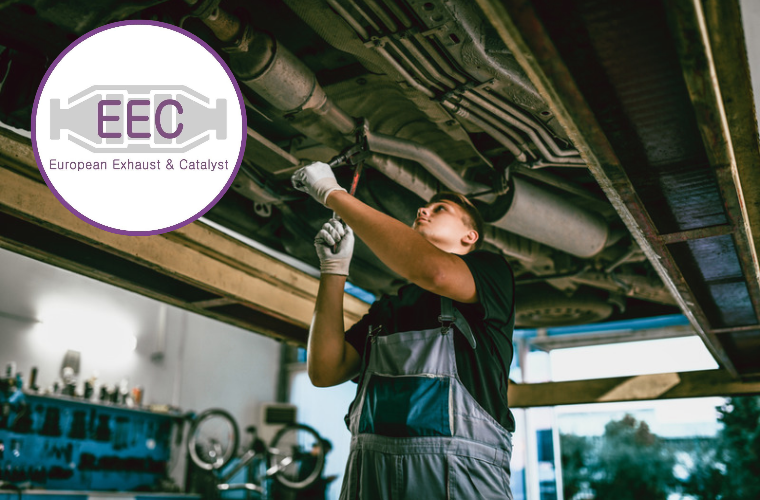
With increasingly strict emissions standards and ever-more complex exhaust after-treatment systems, the exhaust system plays a vital role in vehicle performance, emissions control and overall engine health.
From the catalytic converter and DPF to the silencers, sensors and connecting components, every part of the system needs to work together correctly.
Emissions control
One of the exhaust system’s most important jobs is controlling harmful emissions.
Catalytic converters and Diesel Particulate Filters (DPFS) are designed to treat exhaust gases and reduce pollutants before they are released into the atmosphere.
For these components to work effectively, the exhaust system needs to be correctly matched to the vehicle and operating within the required parameters.
A poor quality, damaged or incorrectly fitted exhaust can affect the performance of the entire emissions system.
Getting the back pressure right
Too little or too much back pressure can have a direct impact on engine performance and emissions.
Too little back pressure can be caused by holes, leaks or damaged exhaust components. This can affect exhaust gas flow and, in some circumstances, allow unburnt fuel into the catalytic converter, potentially causing damage to the catalyst substrate.
Too much back pressure can occur when an exhaust system becomes restricted or blocked. This prevents exhaust gases from escaping efficiently, which can reduce engine performance and place additional stress on components such as exhaust valves and the catalytic converter.
The key is getting the correct exhaust flow for the vehicle.
More than just noise reduction
An exhaust system is also designed to control engine noise and resonance.
As an exhaust deteriorates through corrosion or internal damage, it can become increasingly noisy. Holes, porous sections or deteriorating silencer internals can all affect the performance of the system.
Exhaust leaks can also have a knock-on effect on emissions control, which is why damaged components shouldn’t simply be ignored.
Don’t overlook the smaller components
Exhaust systems are exposed to constant heat, vibration and movement, so mounting components play an important role too.
Worn exhaust rubbers, brackets and engine mountings can allow excessive movement and vibration, potentially leading to premature failure of exhaust components.
Whenever an exhaust component is replaced, it’s worth checking the condition of the associated mounting components and replacing worn parts where necessary.
The EEC takeaway
A quality exhaust system isn’t just about fitting a replacement part and getting the vehicle back on the road.
Correct fitment, quality components and the right exhaust system for the vehicle all contribute to effective emissions control, reliable performance and a longer lasting exhaust system.
At EEC, we understand how important every component of the emissions system is from catalytic converters and DPFS to exhaust components and accessories.
Explore the full EEC range at www.eurocats.co.uk


 Back to all