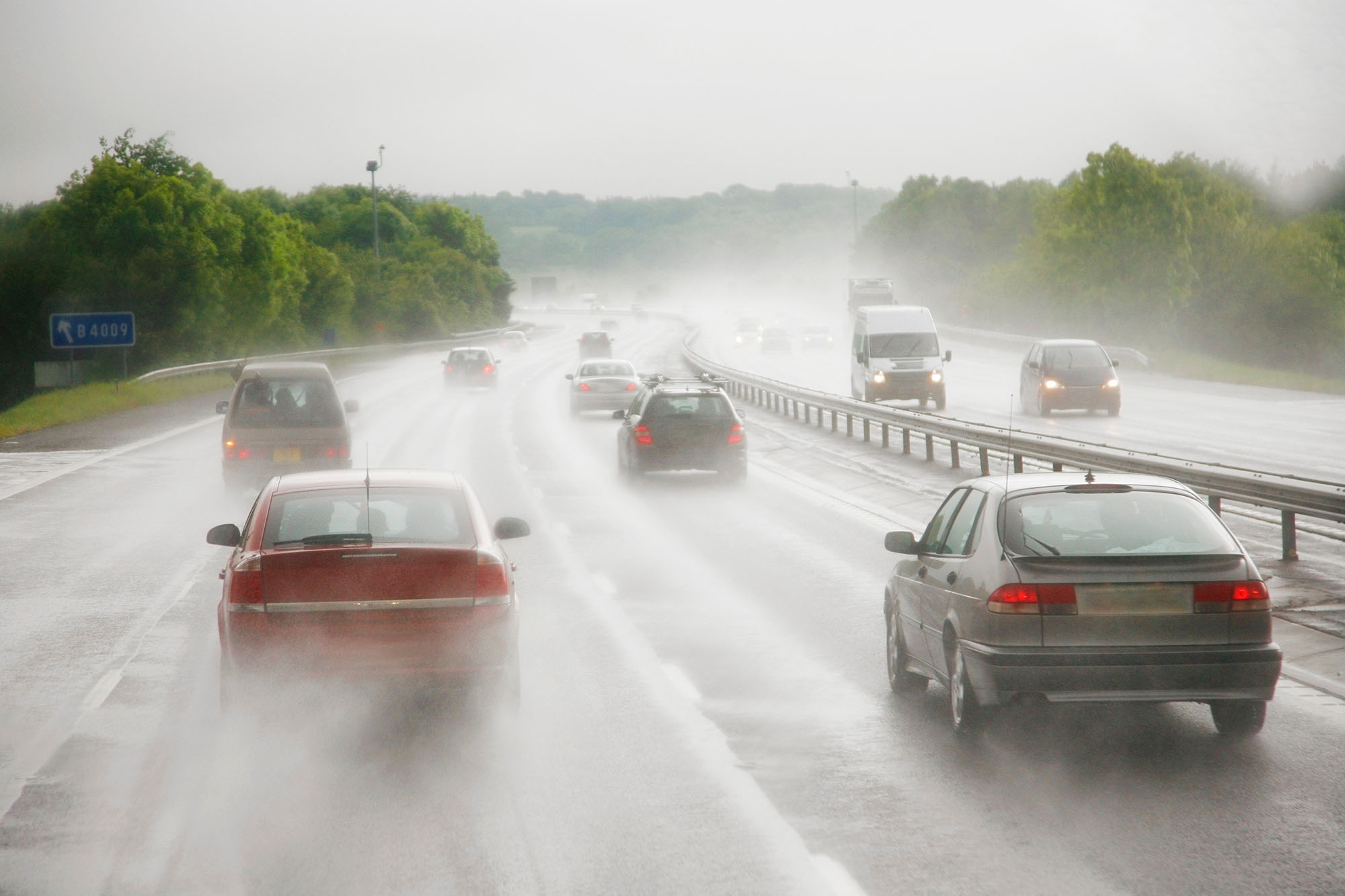
With heavy rain expected in the UK this week, any Brits will need to use their cars to stay dry while travelling, but the rain brings greater risk of reduced visibility and slippery surfaces.
For those heading out on the roads in the bad weather, experts at LKQ Euro Car Parts have shared the essential maintenance checks to keep your car safe whilst it’s raining.
- Maintain your windscreen wipers
Especially in very strong downpours, it can be difficult to maintain a clear visibility out of your windscreen. Check that your windscreen wipers are working efficiently, as well as ensuring they are replaced before they wear down. You will know if they need to be replaced because worn wipers tend to smear dirt across the glass, further obstructing the view.
- Check your tyres
The tread depth of your tyres is what allows them to have a solid grip on the road, and when the surfaces are wet, this is more important than ever. It’s also illegal to drive a car with a tread depth less than 1.6mm, so make sure you get them replaced when necessary. Tyre inflation is also integral to road contact when it’s raining, so make sure they are at the perfect level.
- De-mist your windscreen
The colder weather, mixed with downpours of rain, is likely to cause your windscreen to mist up. While it may be tempting to turn the heating on to keep yourself warm, the AC will help to clear any mist from the glass. The window needs to be an equal temperature to the outside. You can also get glass treatments to prevent fog, if this is something that is happening regularly.
- Test your brakes
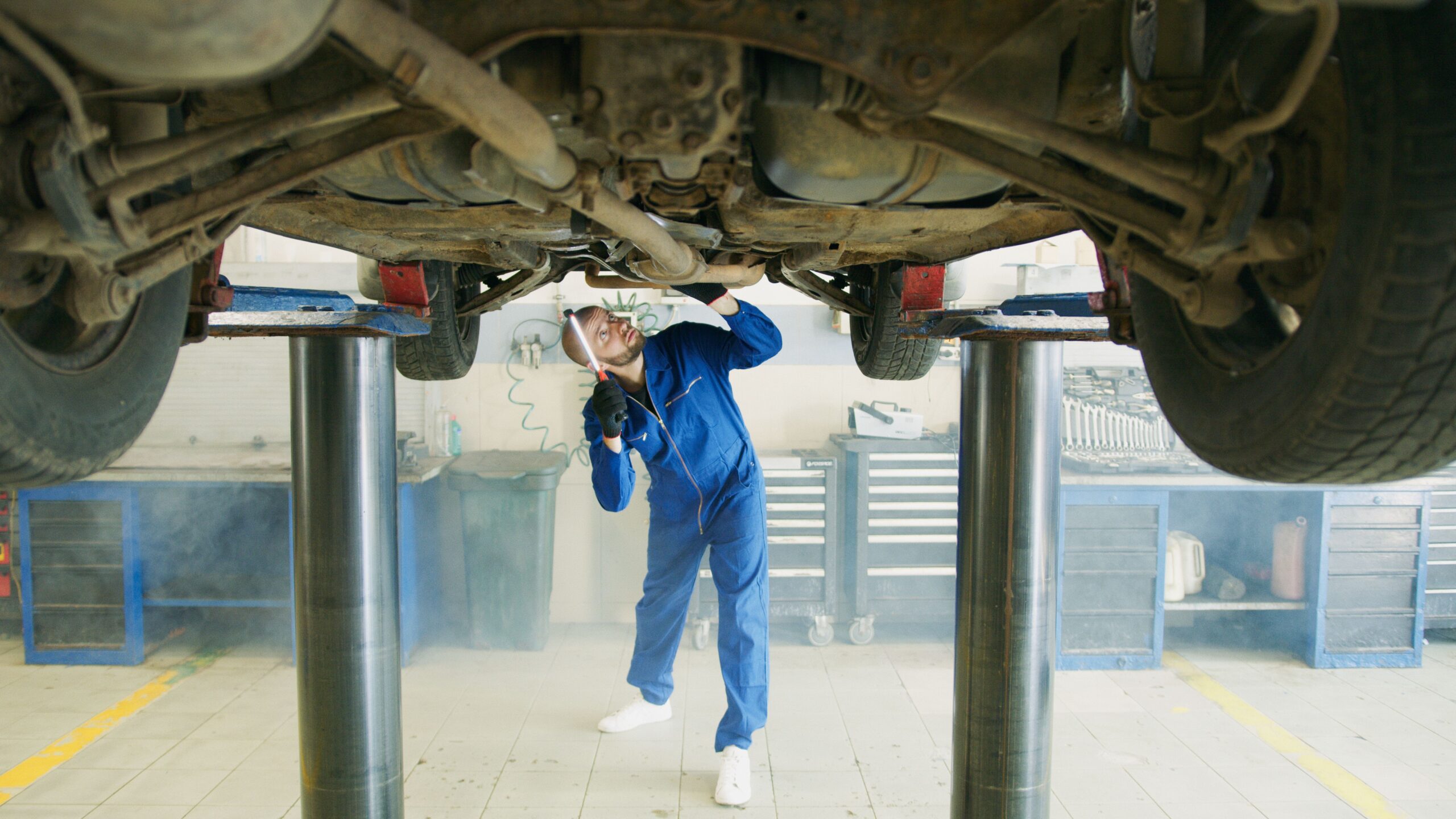
It’s possible for breaks to get wet when driving in heavy rain, and possibly through standing water. If this is the case, it’s important to check them, and dry them out if they have become wet. Gently squeezing them as you drive will sometimes do so. If you notice a bigger problem with your breaks, contact a professional who can check them more extensively and fix any problems.
- Take it slow
When driving in the rain your stopping distance will reduce significantly, which is why you need to be cautious of how fast you are driving. Keeping a slower speed, as well as leaving a greater distance between you and other cars, can ensure you reduce the risks of a reduced stopping distance. Driving slow through any standing water will also ensure you don’t damage any of the vehicle’s internal components.
- Stay visible
Not only do you need to maintain your own visibility, but you need to ensure your vehicle is visible to other drivers on the road. Start by cleaning your headlights, so the lights aren’t dimmed by any lingering dirt and debris. Whilst driving, turn on your dipped headlights so other drivers can see you without dazzling them.
For more information about driving in poor weather, please visit LKQ Euro Car Parts.





 Back to all