As the UK transitions from winter into spring, workshops are increasingly dealing with the aftermath of months of harsh road conditions. Cold temperatures, standing water and repeated freeze–thaw cycles leave roads scarred with potholes and uneven surfaces – all of which place additional stress on critical vehicle systems, including brakes.
Although spring typically brings improved weather and better visibility for drivers, the damage caused during winter rarely disappears overnight. Repeated pothole impacts can accelerate wear across the braking system, while corrosion accumulated during colder months can contribute to increased noise, vibration and uneven braking performance.
At the same time, the aftermarket is entering a crucial MOT period. According to GIPA data, more than 3.3 million MOTs are expected to expire in March 2026, representing an 8.1 percent increase compared with the same month in 2025. This seasonal spike inevitably places renewed focus on safety-critical systems, with braking components among the most frequently inspected items.
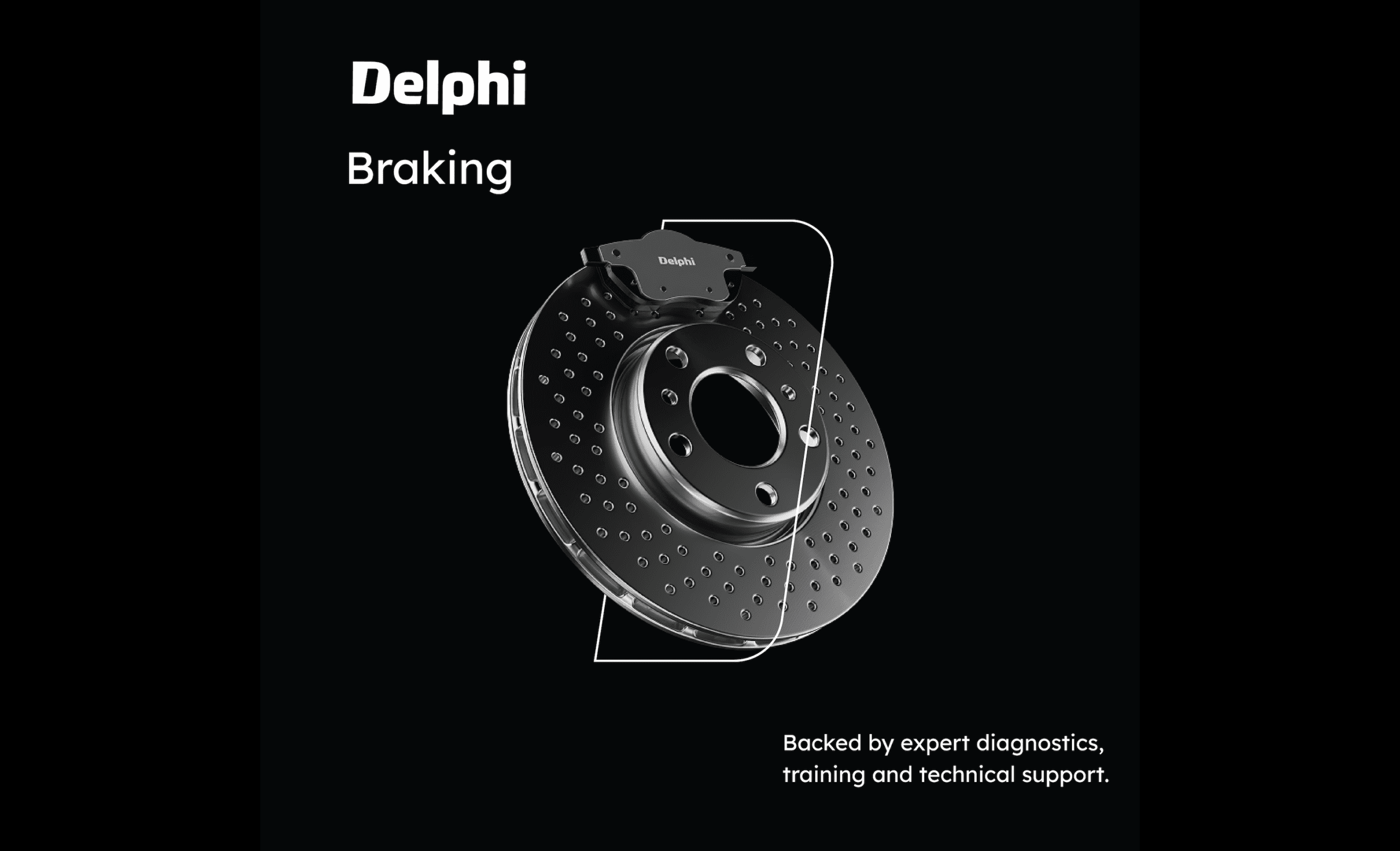
Stopping distance is influenced by far more than tyre condition alone. Brake pad material quality, friction stability, heat management and noise control all play a key role in how quickly and consistently a vehicle can slow down – particularly on uneven or unpredictable road surfaces.
Lower-quality components may meet minimum regulatory requirements but can struggle to maintain consistent performance across different temperatures, driving styles and road conditions. Premium braking components, by contrast, are engineered to provide stable performance throughout their service life. Reduced noise and dust are not simply comfort benefits; they are indicators of controlled friction and stable material behaviour – both essential for safe braking.
With road conditions placing increasing stress on vehicles, workshops have an important role to play in helping drivers understand how braking performance can be affected. Choosing high-quality components helps ensure consistent braking behaviour and reduces the risk of noise, premature wear or performance issues.
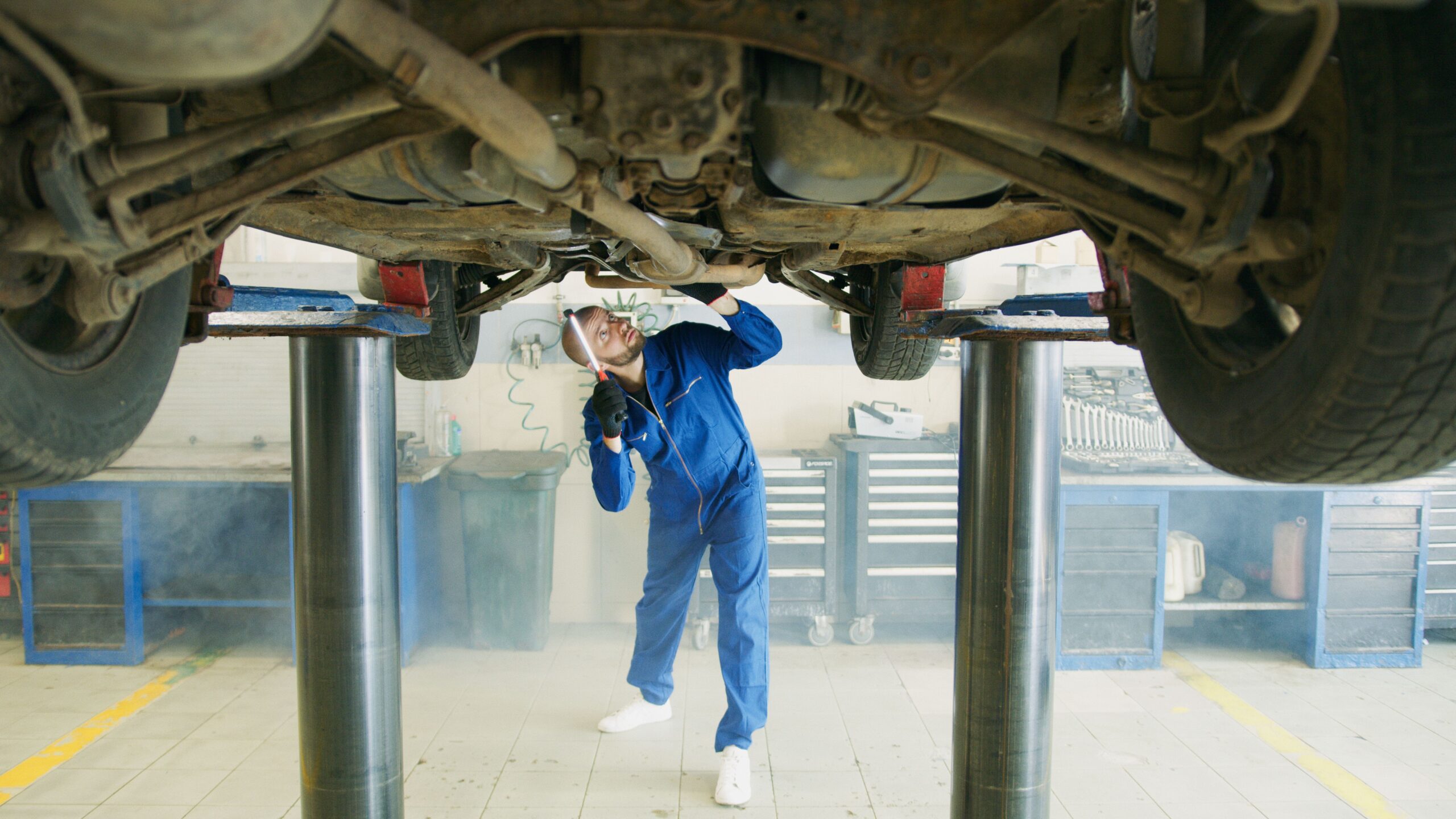
As MOT volumes continue to rise and road conditions remain a challenge for drivers, spring presents a clear opportunity for workshops to carry out important spring vehicle checks and have a conversation with customers. Explaining how winter road damage can influence stopping distances and why high-quality braking components matter, not only to improve safety but also helps build trust, reduce comebacks and strengthen long-term customer relationships.
For more information visit https://www.delphiautoparts.com/





 Back to all