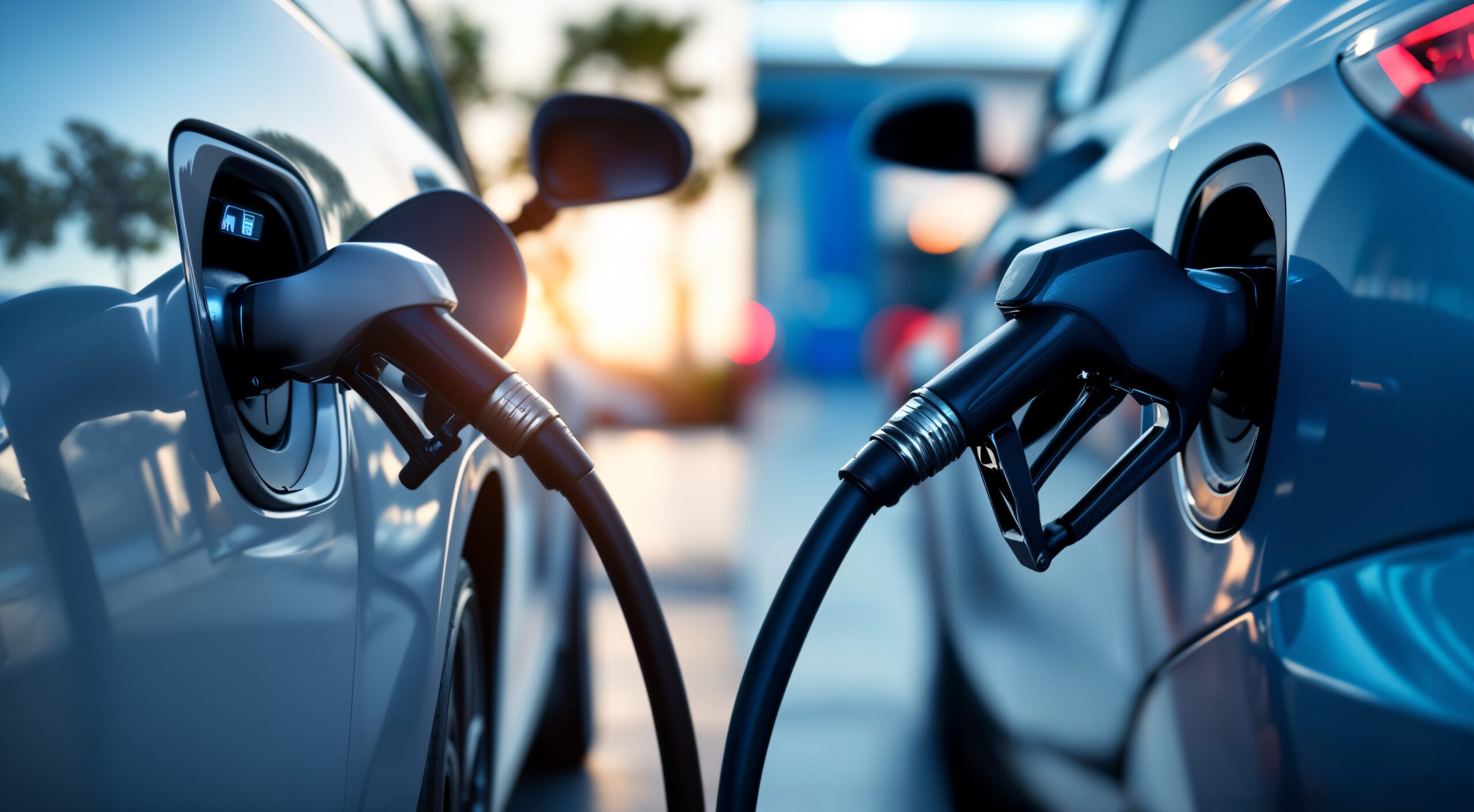
“Technology neutral”, that’s the phrase IAAF championed when continuing to lobby successive UK governments who embarked on only focusing on the sale of wholly electrically powered vehicles.
And with the European Commission watering down its plans to ban the sale of new and petrol or diesel vehicles by 2035 in the EU, we can expect to hear more about that in the coming months in the UK.
Of course, we have a vested interest in the automotive aftermarket. The thousands of businesses and their employees that keep the UK mobile do so in an aftermarket dedicated to serving a largely combustion engine vehicle parc, and with it, a choice for fleet operators and motorists on where to take their vehicles for servicing and repair.
But this idea of choice is the very foundation of the aftermarket, as it best serves the motoring consumer and ultimately, that’s what matters.
We’re living in this political age where governments employ a “provoke, provoke, retreat” mentality to many policy announcements. Retreat is polite way of saying U-turn, because that’s exactly what’s happening with the ban on petrol and diesel emissions, because the point is being missed.
The point is a cleaner, safer environment and nobody can deny the necessity to reduce the global levels of carbon dioxide in the atmosphere.
But, is imposing a specific single technology (in this case electric) ever a viable solution to replace all internal combustion engine applications?
With any problem, you start with the optimal solution, one that achieves all objectives. To achieve net zero it is far better to explore every available technology, with all of their ‘pros and cons’ in order to achieve this outcome. It’s not about retaining the combustion engine or old technology longer than we need to. It’s about asking the practical and pragmatic questions: What do we have available at our disposal to help us achieve our net zero aims, both in the quickest time as well as in the most practical ways possible? Could we continue the evolution of existing technology to meet this goal?
Technology neutral does not also mean that the aftermarket is not impacted. The pressure on the supply chain, manufacturers, motor factors and repairers to ensure they are able to look after such a diverse vehicle parc is immense, but we have a history of finding solutions.
Policy makers have dictated the way, vehicle manufacturers and supply chains have followed suit and invested to develop and build vehicles that not everybody wants or can afford. Again, the automotive aftermarket could have told them that.
The aftermarket knows the consumer, it knows people. And people want convenience and choice when it comes to vehicle repairs. To this end, successive governments have done the public a major disservice.
The objective of net zero emissions should be on the basis of being ‘technology neutral’ and to consider the full ‘cradle to grave’ impact of the vehicle’s carbon dioxide emissions.
As examples, the generation of both hydrogen and so-called ‘eFuels’ using renewable energy sources would not only reduce the carbon dioxide emissions when a new vehicle is manufactured, but most importantly, create a carbon-neutral virtuous circle when the vehicle is being driven.
Equally, keeping existing vehicles on the road will obviate the high levels of carbon emissions created when a new vehicle is manufactured and delivered to its ultimate market destination, as well as keeping transport affordable to the many millions of vehicle owners who cannot afford a new electric vehicle, especially for those that live in more rural locations.
This should form part of a wider ‘right to repair’ and the associated ‘repair and not replace’ approach which not only helps maintain consumer choice and affordable mobility, but also helps to minimises the significant carbon impact of having to replace a vehicle.
We also believe that there are UK-wide concerns over both the ability to generate the necessary electrical energy (i.e. the National grid capacity), as well as creating an EV charging network that negates any impact of the time and cost needed to re-charge a vehicle, which is already significantly behind the projections needed to effectively support an electrified transport system.
Ultimately, we are all striving to attain the same beneficial outcome for the global environment, but it is both unfortunate and extremely costly for everyone involved – businesses, consumers, governments – if we have successive governments who are not listening to those with their ‘fingers on the pulse’ – the UK automotive aftermarket – before deciding on the most pragmatic solutions concerning their approach to vehicle technologies to get us to this destination?





 Back to all